Five VertaCat Golfers Take On the 2026 U.S. Adaptive Open
The 2026 U.S. Adaptive Open at Woodmont Country Club brought together five VertaCat athletes: Max Togisala, Ben Hulin, Thomas Duffy, Trevor Kennison,...
2 min read
.webp)
When Mike Nicholson's adaptive cart broke a week before the U.S. Adaptive Open, he needed to make a quick change. A borrowed VertaCat and one practice session at the driving range later, he shot the lowest tournament round of his life.
It was the first time he had used an adaptive cart that actually improved his golf, not just made it possible. After a year of borrowing, Mike saw how the right equipment could transform his game.
Mike grew up playing golf in Tampa, competing through high school before joining the Marines. But a combat injury in Afghanistan resulted in the amputation of his legs and left arm.
"For a long time, I pretty much thought golf was done with," Mike recalls.
In his years of recovery, he tried adaptive golf equipment during competitions like the Invictus Games and DoD Warrior Games. However, golf and adaptive carts truly became part of his life when he started working as Assistant Golf Professional at Hunter Green Country Club.
Mike couldn't borrow forever. When he learned that VertaCat was on the Department of Veterans Affairs’ approved vendors list, he talked with his sports recreation therapist and applied. Approval came through within three months of active review.
"It's nice to have one of your own that's already paid off and it's yours," Mike said. "That's a lot of the problem—you can't just go out and go to a random course and play. You've got to find a chair, and you've got to get it brought there."
For veterans considering a VertaCat, Mike says: don't let uncertainty hold you back. The VA wants to help, and the worst outcome is simply exploring other options.
"Everyone should just reach out to the VA as much as possible and try to get these chairs out there."
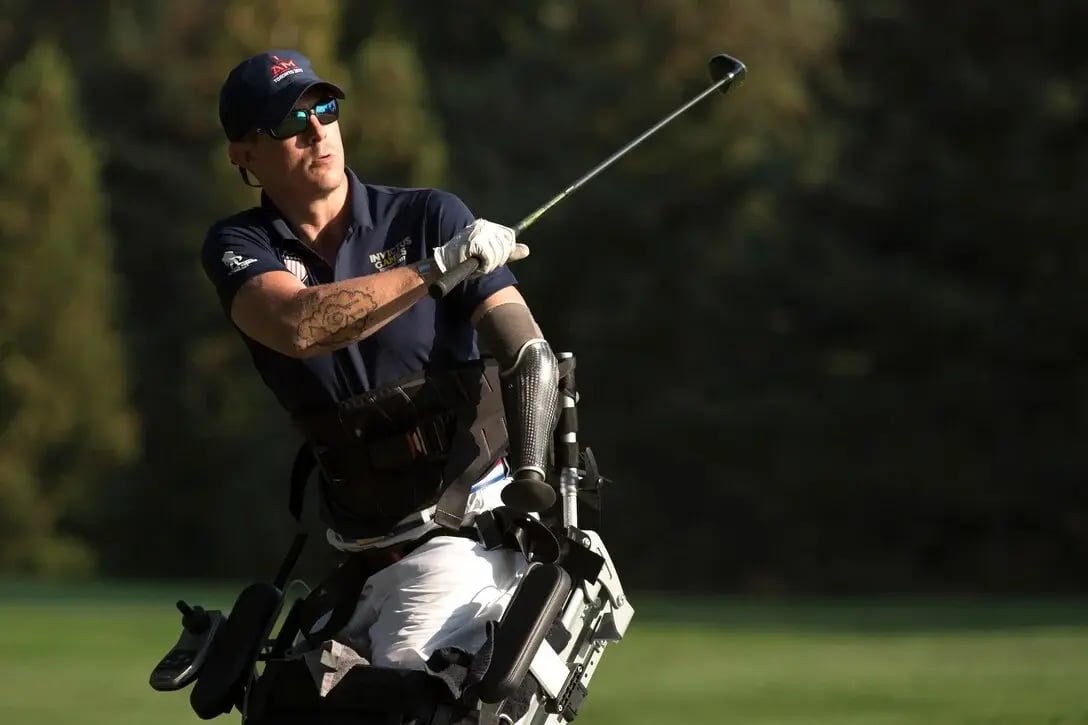
For Mike, getting back on the course was both personal and professional. Before starting work at Hunter Green, his best friend, fellow Marine, and golfing buddy, Jared, unexpectedly passed away. For Mike, having the right adaptive equipment was what kept him moving forward.
"Golf probably saved my life. I don't know what would happen if I didn't do it."
Access to quality equipment matters. Golf courses that make sure adaptive equipment are available create spaces where all golfers can benefit.
"These able-bodied fellas see someone who uses an assisted device and think, 'Well, okay, he can play. I have a cousin who wants to play,' or 'I have a brother who's in a wheelchair or who needs extra help,'" Mike explains. "Just having that exposure and availability would help so many guys out."
When you know a course is accessible and has the equipment you need, you're more likely to get out of your house, socialize with others, and go back. That visibility creates full immersion into the golf world and an outlet for veterans like Mike.
Now, Mike thinks about Jared every time he's on the course.
"He would be my biggest fan if he saw me doing what I'm doing right now. I'm sure he's looking down and he's pretty happy."
Mike's experience shows that the program works when veterans advocate for themselves.
"You can't catch fish without any bait. You've got to go out and try. It's going to be a net positive no matter what. The worst thing that could happen is that you spent four hours outside playing golf. And anything is possible—if I can do it with one arm, we can all figure out how to do it."
Any veteran interested in applying for adaptive golf equipment can begin by connecting with the U.S. Department of Veterans Affairs. Or, visit our Try a VertaCat page to find accessible courses near you or learn more about equipment options.

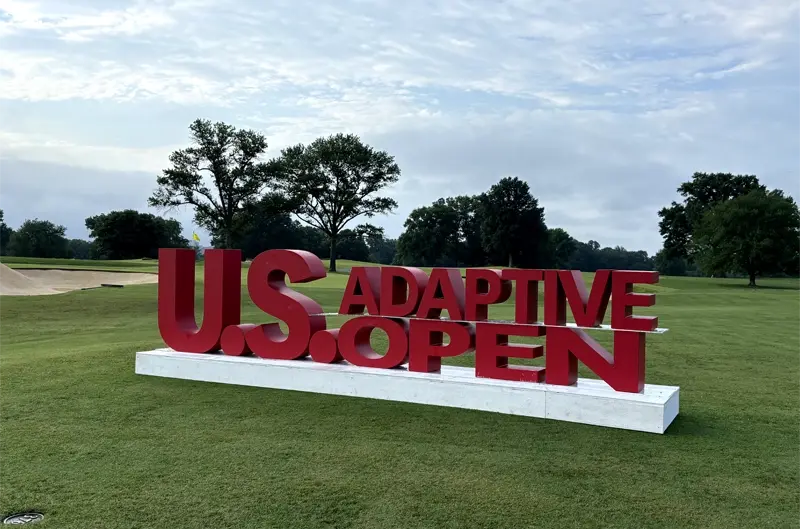
The 2026 U.S. Adaptive Open at Woodmont Country Club brought together five VertaCat athletes: Max Togisala, Ben Hulin, Thomas Duffy, Trevor Kennison,...
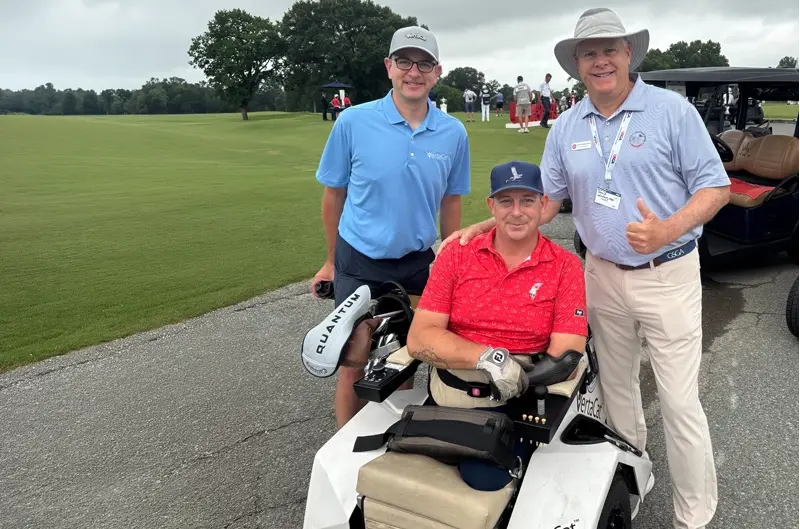
David Windsor has spent nearly three decades introducing golfers to adaptive golf, first from a single course in Sarasota, Florida, and now as the...
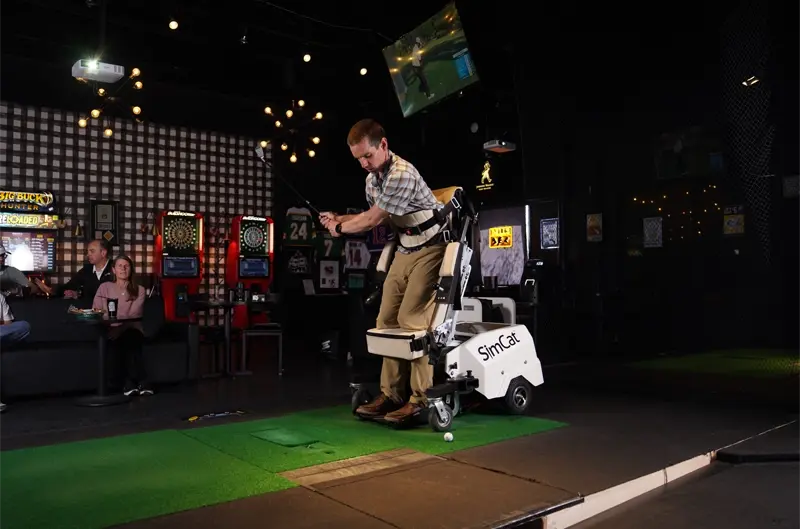
Rehab facilities invest heavily in functional mobility equipment. Parallel bars, tilt tables, and standing frames help get people upright.